Blend to Rail

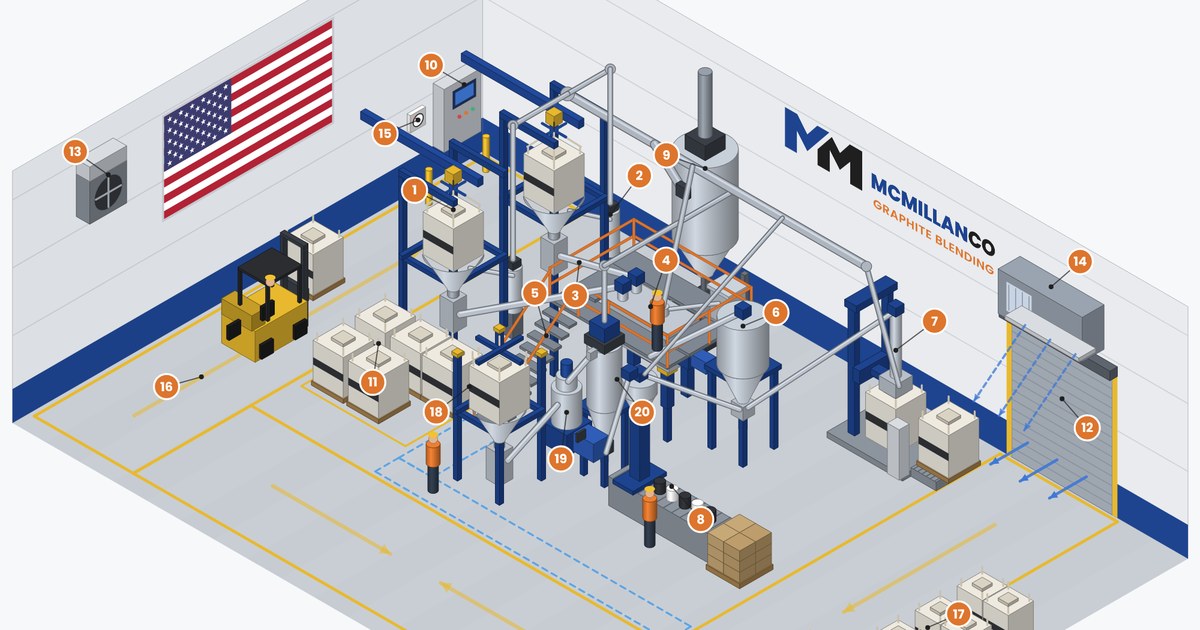
Concept rendering of MCMILLANCO's planned graphite blending and grinding room, with bulk bag dischargers, a ribbon blender, an air-classifying mill, and an American flag on the wall

Inside the Graphite Blending Room We're Planning, and Why We Want Your Input

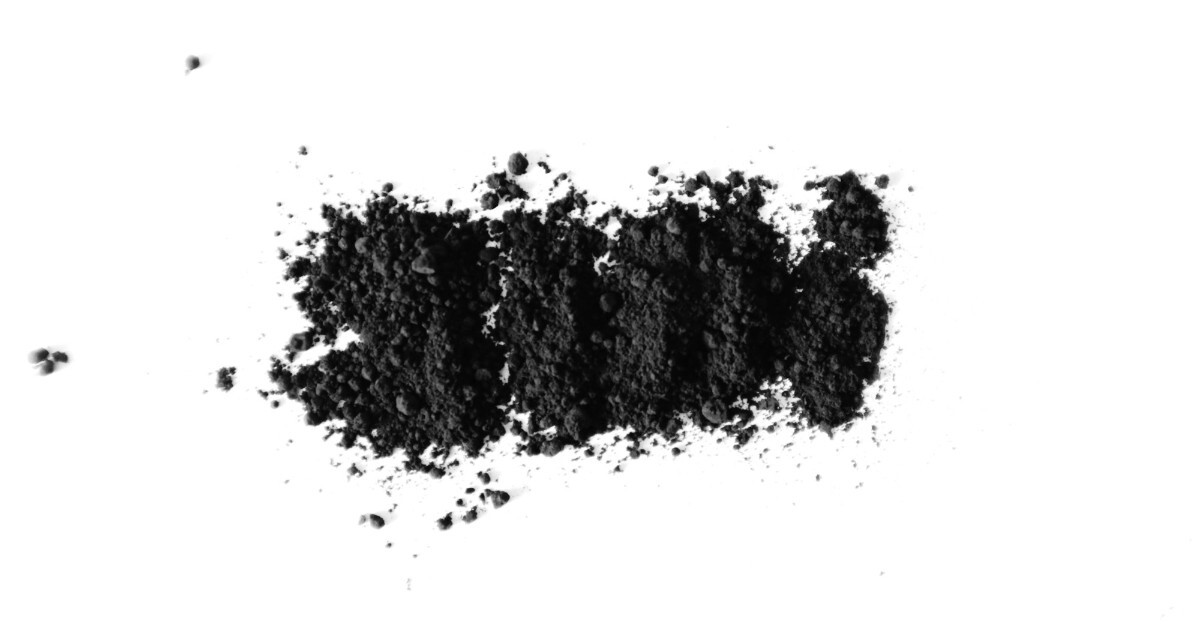
Graphite is one of the most useful powders in industry and one of the hardest to handle well. It is light, it aerates, it finds every gap in a system, and it leaves a mark on everything it touches. That is why we are planning a dedicated graphite blending room at our Perrysville, Ohio campus instead of running graphite through general-purpose equipment.

The rendering below is our concept for that room, including a grinding circuit for particle-size work. It is not final. We are sharing it now because the companies who will run product through this line should help shape it before steel is ordered.


Read More

Graphene Is Leaving the Lab. Here's What That Means for Dry-Powder Supply Chains.

For most of the last 20 years, graphene was a headline material: stronger than steel, a better conductor than copper, and almost always "five years away." That's changing. Graphene-enhanced concrete admixtures, coatings, and polymer additives are now moving through commercial trials and into product lines, and those products have to be blended, packaged, stored, and shipped like any other specialty powder.

At MCMILLANCO, we spend our days helping manufacturers move dry materials from formulation to finished, packaged product. Here's a plain-language look at what graphene is, where it's showing up, and what it takes to handle carbon-based powders well.

Read More
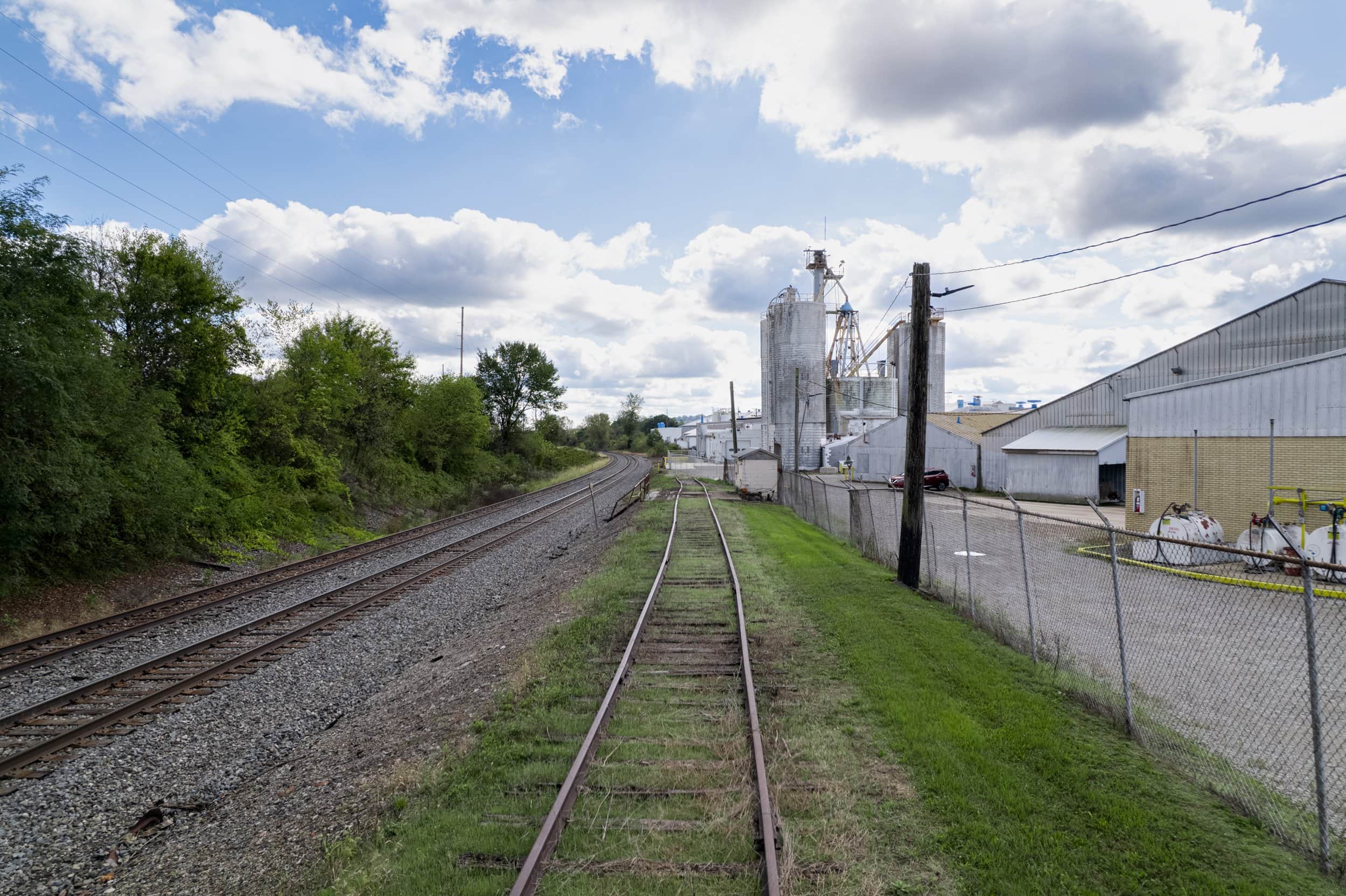
Rail line running alongside the MCMILLANCO campus and silos in Perrysville, Ohio

Toll Blending vs. In-House Production: What Does It Really Cost?

Before buying another blender, adding a packaging line, or hiring another shift, compare more than the production rate. Compare the complete operating model.

Toll blending can make economic sense when producing in-house would require new equipment, additional staffing, or capacity that will not stay consistently utilized. Keeping production in-house can be the better choice when you already have suitable equipment, available capacity, and an efficient process.

The question is not simply, “Who can blend this for less?” It is, “Which approach gives our business the right combination of quality, capacity, flexibility, and total cost?”

At MCMILLANCO, we approach that decision as a specialized contract manufacturing and processing partner. We connect dry powder blending, toll processing and contract packaging with warehousing, fulfillment and rail-served logistics in Perrysville, Ohio—helping customers coordinate more of their operation with one partner.

One Partner. More of Your Supply Chain. Under One Roof.

For manufacturers evaluating dry powders, minerals, or specialty blends, the comparison should extend beyond the mixer. Include receiving, preparation, blending, cleaning, packaging, palletizing, storage, and the freight needed to reach the same destination. Then consider what each approach allows your own team to focus on.

Read More
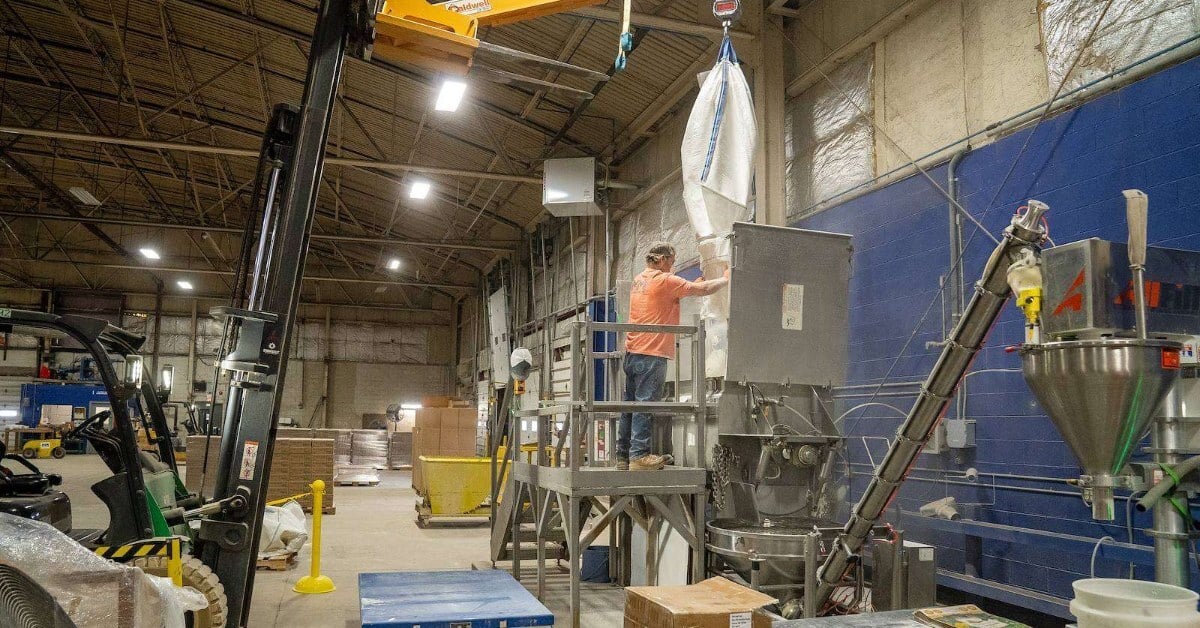
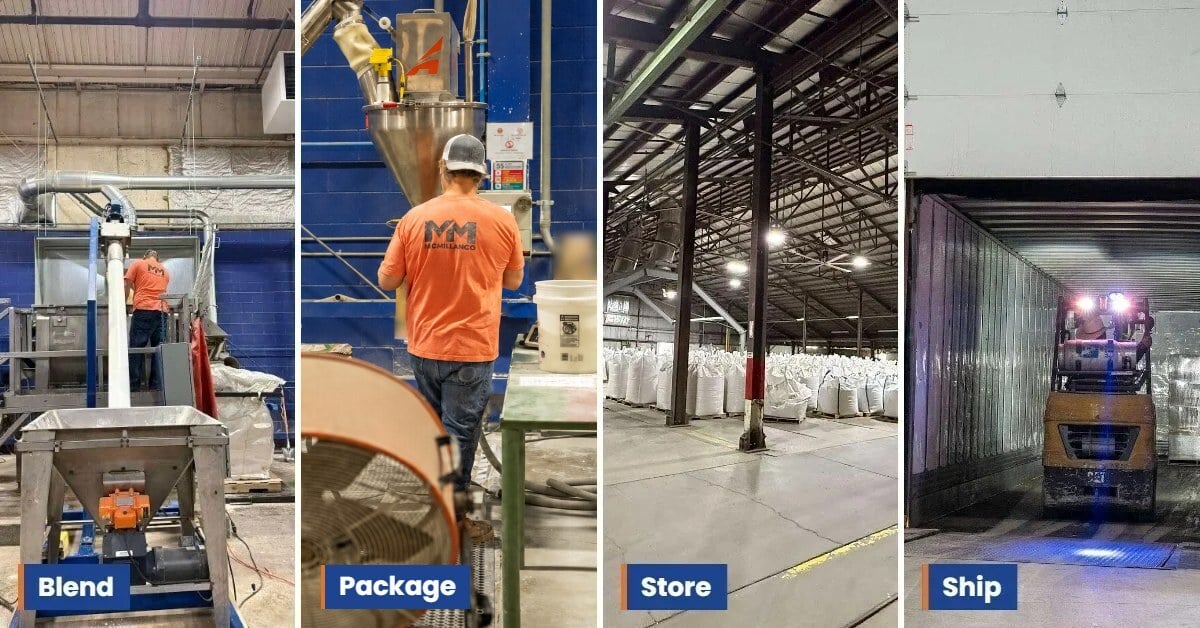
Bagging and bulk bag handling equipment inside the MCMILLANCO plant in Perrysville, Ohio

Commodity Feed Bagging: Bulk Truck or Railcar to 50- and 60-lb Bags

MCMILLANCO provides bulk commodity-feed receiving, transloading, and contract bagging services from its Ohio facility. Qualified dry feed ingredients can arrive by bulk truck, hopper trailer, belly-dump trailer, railcar, supersack, or another approved format and be packaged into 50- or 60-pound bags, palletized, stored, and shipped into the customer's distribution network.

Read More